A Triple Portrait: The Third Figure in the Frame
By Mariam Labban
I have always been fascinated by British painters, Thomas Gainsborough, Joshua Reynolds, J. M. W. Turner, and John Constable. Yet among them, Gainsborough stands out as a master of portraiture. One of his works I particularly admire is Mr and Mrs Andrews, painted around 1750. The painting is often described as a “triple portrait” because the couple’s estate functions almost as a third character, an element whose social meaning and subtle implications are impossible to ignore.
At first glance, it appears to be a conventional portrait of a newly married couple in the English countryside. Yet the landscape behind them, the carefully cultivated fields, enclosed pastures, and distant stately manor, is as much the subject as the figures themselves. It is not mere decoration; it is a statement about wealth, status, and social hierarchy.
In eighteenth-century England, land ownership defined power. Property determined social standing and economic influence. Through the calm elegance of the countryside, Gainsborough was illustrating the foundation of the Andrews’ privilege. The land becomes a silent participant in the portrait, a witness to structures of wealth and hierarchy. It is this third element, the unspoken yet central presence, that fascinates me most. The landscape says nothing, yet it explains everything.
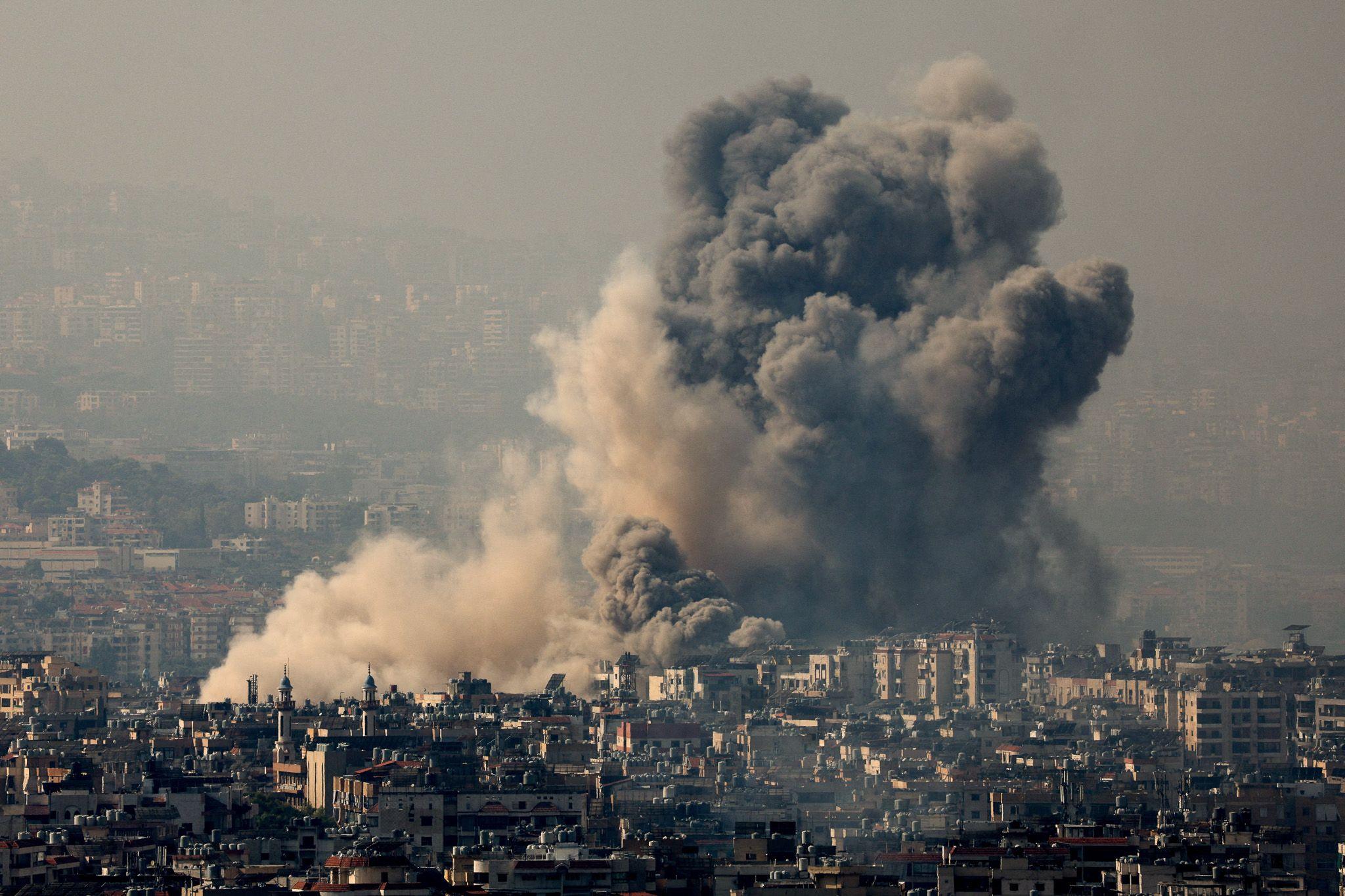
This idea of the “third figure” can illuminate the conflicts unfolding today in the Middle East that, at times, threaten to spill beyond the region.
In the foreground are the visible actors: political leaders, military maneuvers, and alliances. Figures such as Donald Trump and Benjamin Netanyahu have sought to curb the regional influence of Iran. Iran, in turn, has demonstrated its ability to strike back, targeting fuel infrastructure in Saudi Arabia and other Gulf states. These incidents reverberate globally, revealing how interconnected modern economies are.
Yet, as in Gainsborough’s painting, there is a hidden third figure, one that rarely appears in headlines but shapes the entire scene. That figure is energy.
The Middle East remains one of the world’s most resource-rich regions. Its oil and gas reserves have long made it central to global strategy. Behind the visible drama operate powerful actors: multinational oil companies, financial institutions, and industrial conglomerates whose fortunes depend on the uninterrupted flow of energy. For them, war is not merely political; it is an existential economic threat. Disruption of energy supplies can destabilize markets, disrupt economies, and alter global balances of power.
Much like the sweeping countryside in Gainsborough’s work, the energy landscape forms a silent backdrop against which leaders move. The foreground is dramatic, statements, alliances, confrontations, but deeper forces quietly shape the story: resources beneath the soil, global markets, and economic interests.
History reminds us that wars are rarely driven by a single cause. Ideology, security concerns, and rivalries matter. But material interests such as land in the eighteenth century, energy today often determine outcomes in ways that are not always visible.
Looking again at Gainsborough’s painting, one realizes the Andrews couple’s authority is inseparable from the fields behind them. The land is their power.
In much the same way, the geopolitics of our time cannot be understood solely through leaders or armies. The real stakes often lie in the silent background, the resources sustaining economies and the interests seeking to control them.
In every great painting, the figures in the foreground command attention, yet the background often holds the deeper meaning. Gainsborough understood this well. His quiet, expansive landscape reveals the foundation of the Andrews family’s world. Our contemporary “triple portrait” is no different. Political actors dominate the frame, but behind them stands the silent third figure: the global energy system, immense in its power, fragile in its dependence on stability.
And as in art, it may well be this silent landscape, the unspoken but omnipresent force, that ultimately determines how the final picture is composed. The visible players may make the headlines, but the third figure quietly shapes the fate of nations.
Related posts:

Subscribe
Click here for a secure way to sign up, you will be supporting independent news. Click the button below.
Your Opinions
Disagree with this article? why not write in and you can have your say? email us